You’ve found a home in a Winnipeg neighbourhood you love. The bones are good, the space works, but the kitchen is dated, and the bathrooms haven’t been touched in years. You’re thinking about buying it and making it your own.
You’ve found a home in a Winnipeg neighbourhood you love. The bones are good, the space works, but the kitchen is dated, and the bathrooms haven’t been touched in years. You’re thinking about buying it and making it your own.
Most people don’t actively seek out a renovation. They go looking for the right home in the right place, and the one that fits is often a little behind the times.
However, as new home builds are priced higher, buying a home to renovate is a solution some are turning to and comes with many advantages.
Renovating a home you purchased is a practical way to get where you want to be. Here’s how the process works when you’re renovating a home you’ve just bought, and what’s worth thinking through before you make an offer.
Key takeaways
Buying an older home with good bones and renovating it is a practical way to get a forever home in a neighbourhood you love.
A Purchase Plus Improvements mortgage can fold some renovation costs into your purchase. Talk to a mortgage broker, financial planner, or your bank early.
The work can happen all at once, which suits buyers whose funds are ready and who have time before they move in, or in phases, in whatever order works for you.
Bring in a design-build renovator before you make an offer, so you know the real cost of the finished home.
Why buy a home just to renovate it?
The homes that suit this best have good bones in a location you want. The layout works, and it’s a neighbourhood you’d actually choose. What’s holding them back is the finishes, a decade or two behind the times.
Buying one of these and renovating it often makes more sense than the alternatives.
A brand-new home in an established neighbourhood is hard to come by. Those lots rarely come up for sale, and building new on them is expensive when they do.
A new home in a new neighbourhood is easier to find, but it comes with trade-offs. You’re often surrounded by construction for years, farther from the amenities you use, and a longer drive from downtown and the places you already go.
An existing home in an established area gives you the location and the character now. The renovation makes it yours.
People come to this in different ways. Some have built equity in a first home and are putting it toward the next one. Some find their finances have changed since they bought that first place, so they can take on more. And sometimes the home has a family history, kept in the family or bought from relatives. However they get here, the plan is the same.
If there’s a gap between when you take possession and when you need to move in, the simplest path is to renovate while the home is empty. There’s nothing to work around, so the project runs smoothly from start to finish.
You can also renovate while you’re living there. We keep noise and dust down and stick to a planned schedule, but living in a home during a renovation still asks something of you. You’re sharing the space with the work for a while. Plenty of families do it and are glad they did. It’s just worth going in knowing it takes some patience.
Others settle in first, live with the home for a season, and start changing things once they know how they use the space.
Should you renovate all at once, or in phases?
Doing the whole home at once is the right call when the money is ready and you have time before you move in. It’s one stretch of construction instead of several, and you move into a finished home.
Phasing is the other common route, and it’s more flexible than people expect. One year might be the bathrooms, the next the main floor, the basement a few years after that. The order is up to you. It follows your priorities, your budget, and how much you want to take on at a time.
When you phase a renovation with us, we plan the whole home from the start, even the parts you’ll build years later. That plan is what ties everything together. We pay close attention to how each phase connects to the next, so the finished result feels like one home, not a set of separate projects done years apart.
It also keeps you from redoing your own work. The flooring you choose for the kitchen still suits the living room three years on, and the plumbing roughed in during an early phase supports the bathroom you add later.
Timelines help you plan the stages. A bathroom usually takes three to six weeks, a kitchen five to ten, a main floor eight to twelve, and a whole home twelve weeks and up. Careful planning is what keeps those honest.
How do you pay for a renovation when you’re also buying the home?
Plan this early, ideally before you make an offer. A conversation with a mortgage broker, financial planner, or your bank goes a long way.
One option many buyers don’t know about is a Purchase Plus Improvements mortgage. It lets you roll the cost of certain renovations into your mortgage at the time of purchase, based on what the home will be worth once the work is done rather than what you paid for it. One loan, one rate, one payment.
In 2026, CMHC allows up to 10% of the home’s improved value to be added this way. The other mortgage insurers cap it at 20% of the improved value or $40,000, whichever is less. The renovation money is held back and released once the work is finished and verified, and there’s a firm window to get it done. Your lender can tell you which rules apply to you.
This works well for a first round of work right after possession, like a kitchen or a couple of bathrooms. It isn’t built for a full forever-home renovation that runs into the hundreds of thousands over several years.
For that, most buyers use a mix: equity from selling a previous home, a mortgage sized to their current situation, and refinancing or a home equity line of credit for later phases once the home has gained value. If your finances have changed since your first place, you may qualify for more than you’d expect.
This isn’t financial advice, and the right structure depends on your circumstances. A broker, planner, or your bank can map it out, and it’s worth doing before you’re firm on the purchase.
Set aside cash for the costs of buying, too. Manitoba’s land transfer tax, legal fees, and closing costs add up, and they climb on a higher-priced home
What should you look for in a home you plan to renovate?
“Good bones” gets said a lot, so it helps to know what it means. Some things about a home you can change, and some you can’t.
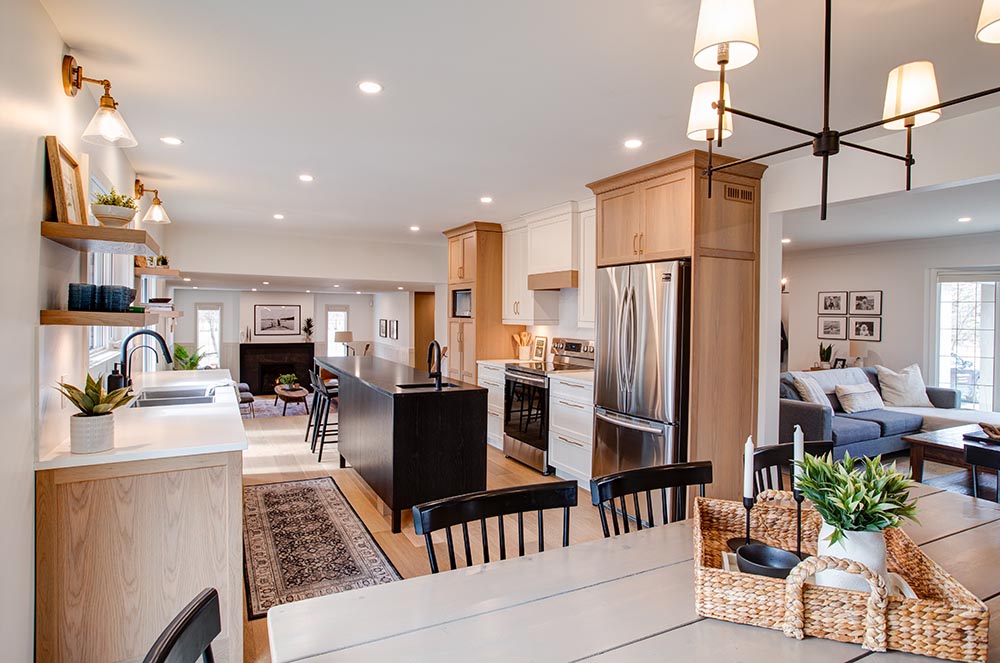
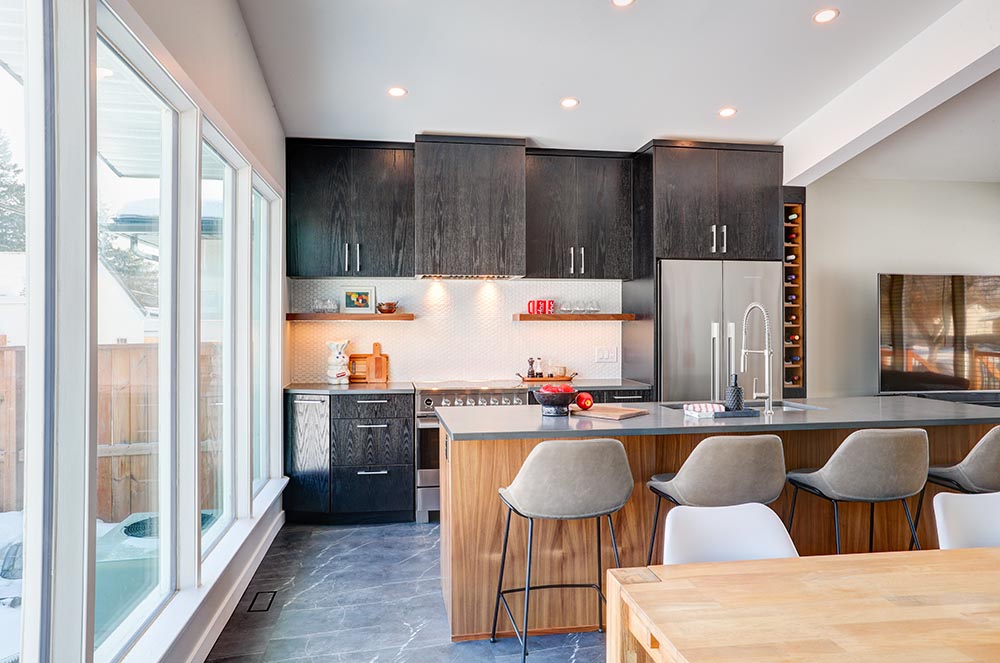
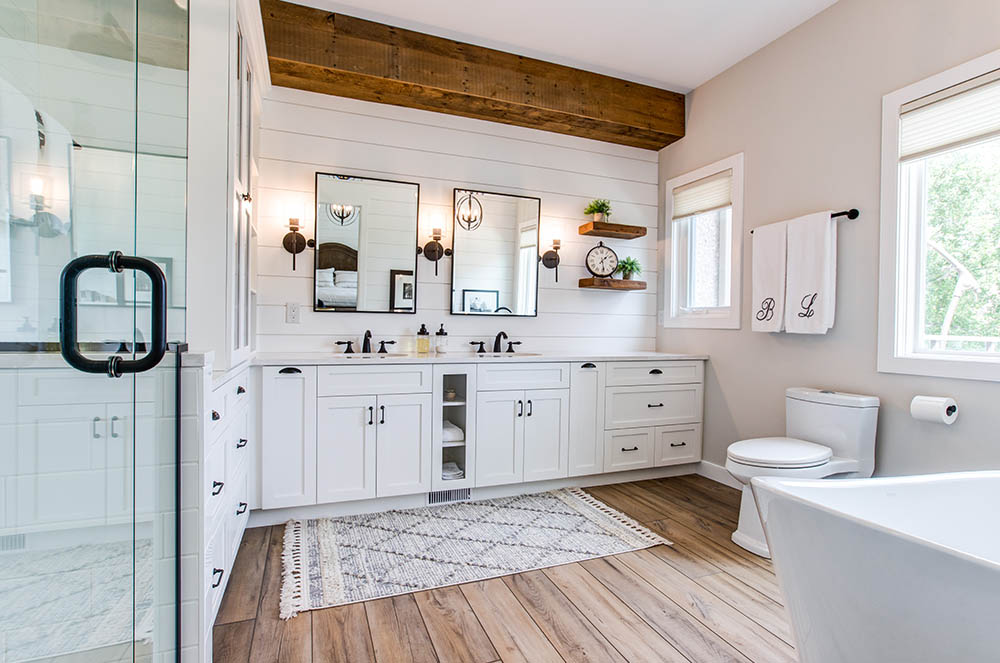
Almost everything you see can change. Cabinets, counters, tile, paint, fixtures, and lighting. The layout too. Walls can move, rooms can be reworked, and a dated floor plan can be reimagined to use the space to its fullest. A home that feels tired but has the setting you want is a strong candidate.
The one thing you can’t change is the location, so buy where you want to be.
Room to grow matters as well. A finished basement is often the most cost-effective way to add real living space, so a full, dry, high basement gives you somewhere to expand into.
What’s under the finishes counts as much as the finishes themselves. As Master Builders, we look at a home from the foundation to the rafters. Older homes, and sometimes newer ones, can hide cold spots, tired wiring, dated plumbing, and drainage problems. A good renovation fixes those rather than covering them over, which is one more reason to have someone who builds take a proper look before you buy.
What return should you expect over time?
A forever home is a place to live first and an investment second. It helps to hold both in mind.
Most well-chosen renovations return somewhere between 70% and 95% of their cost, and occasionally close to all of it. That value tends to build over roughly five to seven years as the market moves and the work settles in. Because you’re staying, you get to enjoy the home the whole time it’s growing into its value.
This approach fits people putting down roots. If you’re looking to sell in a year or two, it’s a different calculation, and we’d tell you so.
One thing to keep in mind is the neighbourhood. Renovating well past what the surrounding homes support can mean spending more than you’ll get back, so it’s worth thinking about your renovation ROI before you go all in. We’re glad to give you an honest read on where that line sits.
Why start with a design-build renovator before you buy?
The most useful thing you can do is get a renovator’s eyes on the home before you’re firm on the purchase.
We offer a pre-purchase renovation walkthrough for exactly this. We’ll look at the home you’re considering, talk through what you want to change, flag anything that could be costly or complicated, and give you a realistic budget. Then you make your offer knowing what the finished home will cost, instead of guessing.
It also matters who does the work. Hammerdown is a design-build company, so design and construction sit under one roof. You’re not coordinating an architect, a designer, and a contractor and hoping they agree. Our in-house interior designer works with the build team from the first concept drawing, so what gets designed is what gets built.
The rest is how we run every whole home renovation. We don’t start construction until all your products have arrived, which usually takes six to twelve weeks, so the job doesn’t stall waiting on materials. The schedule is planned to the day. The price on your quote is the price, unless you change your mind. And every renovation carries a two-year warranty.
We’ve completed hundreds of Winnipeg renovations over more than twenty years, plenty of them exactly this: a good home, a new owner, and a plan to make it theirs. As one client said of their finished home, we “made a 25-year-old house look new.”
Common questions about buying a home to renovate
Can I include renovation costs in my mortgage in Canada?
Yes. A Purchase Plus Improvements mortgage lets you add qualifying renovation costs to your mortgage based on the home’s improved value, within limits and a completion window that vary by insurer. Confirm the details with a mortgage broker, financial planner, or your bank before you buy.
Should I renovate before or after moving in?
If you have time between possession and your move-in date, renovating while the home is empty is the smoothest option. Many people also settle in first and renovate in phases.
How long after buying a home do people usually renovate?
Anywhere from right at possession to several years later, and often in phases. There’s no wrong timeline as long as the plan accounts for the whole home.
Is it worth buying an older home to renovate in Winnipeg?
For a forever home in a neighbourhood you love, often yes. Older homes in established areas tend to have the good bones and setting that are hard to find in a new build. Plan for the value to build over five to seven years.
Thinking about buying a home to renovate?
If you’re looking at a place and wondering what it would take to make it yours, it’s never too early to have an initial discussion. We’re happy to walk through a home you’re considering, even before you’ve made an offer, and give you an honest read on the work and the budget. Contact us whenever you’re ready.
This is your practical forever home renovation guide to the “how.” We’re pulling back the curtain on the essential steps that turn your vision into a detailed, well-managed reality.
You have a vision of your ideal space – your dream forever home – but you’re unsure how to get there. Faced with two options, do you renovate or buy new?
If you’re planning on staying in your home for a long time, chances are there are things you want to change to better meet your lifestyle needs, wants, and style. That’s where a forever home renovation specialist can help!