

Design-build company vs. hiring a contractor and designer separately
When you decide to renovate, your first big decision has nothing to do with tile or cabinets. It’s about who manages, designs, and builds the project.



When you decide to renovate, your first big decision has nothing to do with tile or cabinets. It’s about who manages, designs, and builds the project.
When you decide to renovate, your first big decision has nothing to do with tile or cabinets. It’s about who manages, designs, and builds the project.
Generally, you have two options. Hire an interior designer and a general contractor separately and coordinate the two yourself, or work with a single design-build company in Winnipeg that handles both.
We’ve completed hundreds of renovations over two decades, and we work as a design-build company on purpose. Here’s the honest comparison, including the few times hiring separately is the smarter call.
In this article, you’ll learn:
A design-build company handles both the interior design and the construction of your renovation, so one team owns the outcome from the first proposed layout to the final walkthrough. Instead of hiring a designer for the plans and details and a separate contractor to build it into being, you hire one company that does both.
The traditional route is called design-bid-build. You hire a designer or architect, they produce the drawings and selections, and you shop those drawings to contractors to bid on and build.
Design-build folds those into one. The designer and the build team share a company and a budget, and they communicate every day. See how that plays out stage by stage in our design-build process.
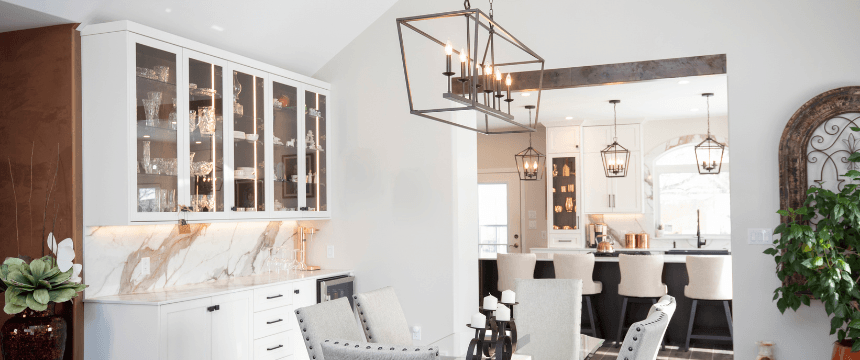
On paper, it sounds ideal: the designer designs, the contractor builds, and you get the best of both. In practice, the two often work in separate worlds, and you become the courier between them.
The designer hands you drawings. You take them to a contractor, who prices what’s on the page. A detail turns out to be costly to build, so it’s back to the designer for a revision, then back to the contractor for a new number. Two schedules that never line up. Two companies, each knowing only half the job.
Nobody here is doing bad work. It’s the structure that creates the friction, and you’re the one absorbing it.
With a design-build company, one team is accountable for the whole project, so there’s no finger-pointing if something goes sideways.
Hire separately, watch the finished space fall short of what you pictured, and it’s hard to say who missed. A design that couldn’t be built as drawn? A build that strayed from the design? The designer points at the contractor, the contractor points at the designer, and you’re refereeing a dispute you never signed up for.
Under one roof, that never comes up. If something isn’t right, it’s ours to fix. When one company owns the whole result, that’s simply how the work stays honest and timely.
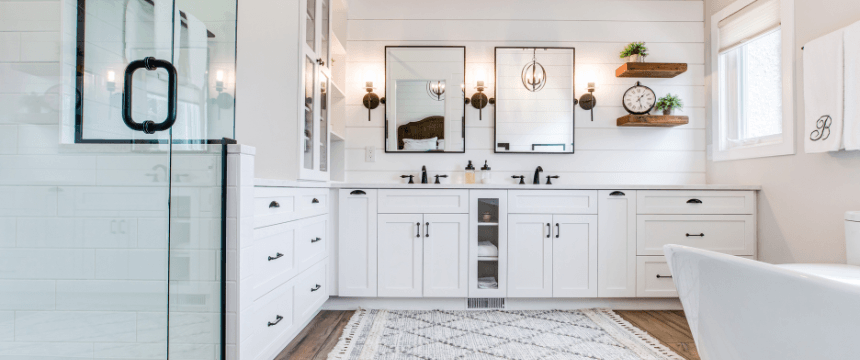
A renovation is hundreds of decisions and deadlines stacked on top of each other. When design and construction live within the same company, those decisions get made faster, details are worked out in-house, and there are fewer surprises.
Our project manager and designer plan the schedule together, so the people mapping the timeline are the ones who’ll build the design. Because we test the plan for buildability before demolition starts, we sidestep most of the mid-project change orders that can constrain a budget.
We arrange delivery timelines early and efficiently, so the job never stalls waiting on back-ordered materials.
Your budget comes from real drawings, not assumptions, so there’s no reason for a surprise number to appear halfway through. The price on your quote is the price, unless you change your mind.
This is where an in-house designer earns their keep. When the person designing your space and the crew building it share a company, the design gets pressure-tested against reality while it’s being drawn, not after it’s approved by the client and priced.
A solo designer can deliver a gorgeous concept that hits a wall the moment a contractor opens one. Ours sits beside the build team, so the drawing package you approve reflects what can actually be built, on your budget, in your home.
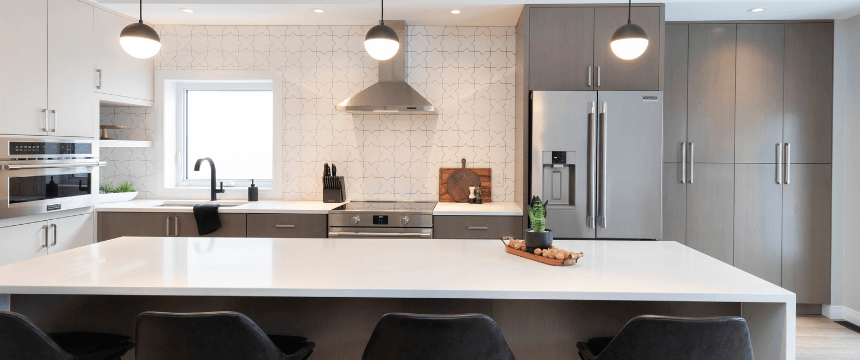
We think design-build wins for most renovations, but we’d rather be straight with you than pretend it’s the only answer. There are two situations where hiring separately can be the better move.
The first is a large addition or a new build. We don’t take on additions, and a new build home is better served by an architect-led team. If you’re set on adding square footage or building new, hiring those roles separately makes sense.
The second is a designer or architect you already trust. If you’ve found someone whose vision you love and just need a skilled builder to execute it, a good contractor can absolutely build to someone else’s plans (even us!).
For a typical Winnipeg kitchen, bathroom, basement, or whole-home renovation, though, one accountable team clears away the coordination headaches that make renovations stressful in the first place.
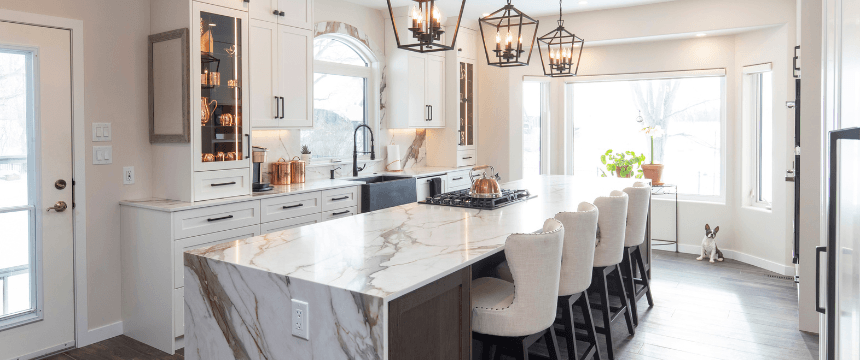
Once you’ve settled on design-build, you still have to choose a company to work with. Before you sign, check a few things:
Local knowledge counts too. A Winnipeg company knows our winters, our permits, and what buyers here want in a way no national checklist does. For more, see the six questions to ask before hiring a home renovation company, and if your project leans on design, what to consider when hiring an interior designer.
Whether you’re months from starting or just picturing what’s possible, it’s never too early to talk. If you’d like to walk through your project and see whether our design-build approach fits, contact us for a chat.
Is a design-build company more expensive than hiring separately? Typically not. In fact, a design-build company is usually more affordable. You’re not paying two firms to coordinate, and details like mechanical or structural challenges are worked out early on, minimizing revisions later in the process. The real savings come from dodging the change orders and delays that a disconnected design-bid-build can cause. If you choose a design-build company instead of hiring separately, you can also experience savings in design not having to be redone when they don’t align with the budget or with reality due to mechanical or structural challenges.
Do I still get to choose my own finishes and style? Yes. A good design-build team works with your vision, using physical samples, drawings and imagery, so you approve every finish before it’s ordered.
Can a design-build company handle just a kitchen or bathroom? Yes. The same one-team approach works for a single bathroom or a whole home renovation of your forever home.
Does design-build mean less creative freedom? No, often the opposite. When the designer and builder collaborate from day one, bolder ideas get worked out and actually built instead of trimmed back later.


You’ve found a home in a Winnipeg neighbourhood you love. The bones are good, the space works, but the kitchen is dated, and the bathrooms haven’t been touched in years. You’re thinking about buying it and making it your own.
Read More
This is your practical forever home renovation guide to the “how.” We’re pulling back the curtain on the essential steps that turn your vision into a detailed, well-managed reality.
Read More
You have a vision of your ideal space – your dream forever home – but you’re unsure how to get there. Faced with two options, do you renovate or buy new?
Read More